

Custom athletic wear suppliers are the better fit for teams and groups that need personalized jerseys without committing to a wholesale order; Traditional Bulk Suppliers are designed for businesses buying established products in volume for resale or operations. For amateur teams, families, and fan groups, Legendkits offers custom jerseys with no minimum order, a free digital design proof, and free standard U.S. shipping. Bulk distributors suit recurring inventory needs, but are not a direct substitute for team-uniform customization.
Design and Product Build
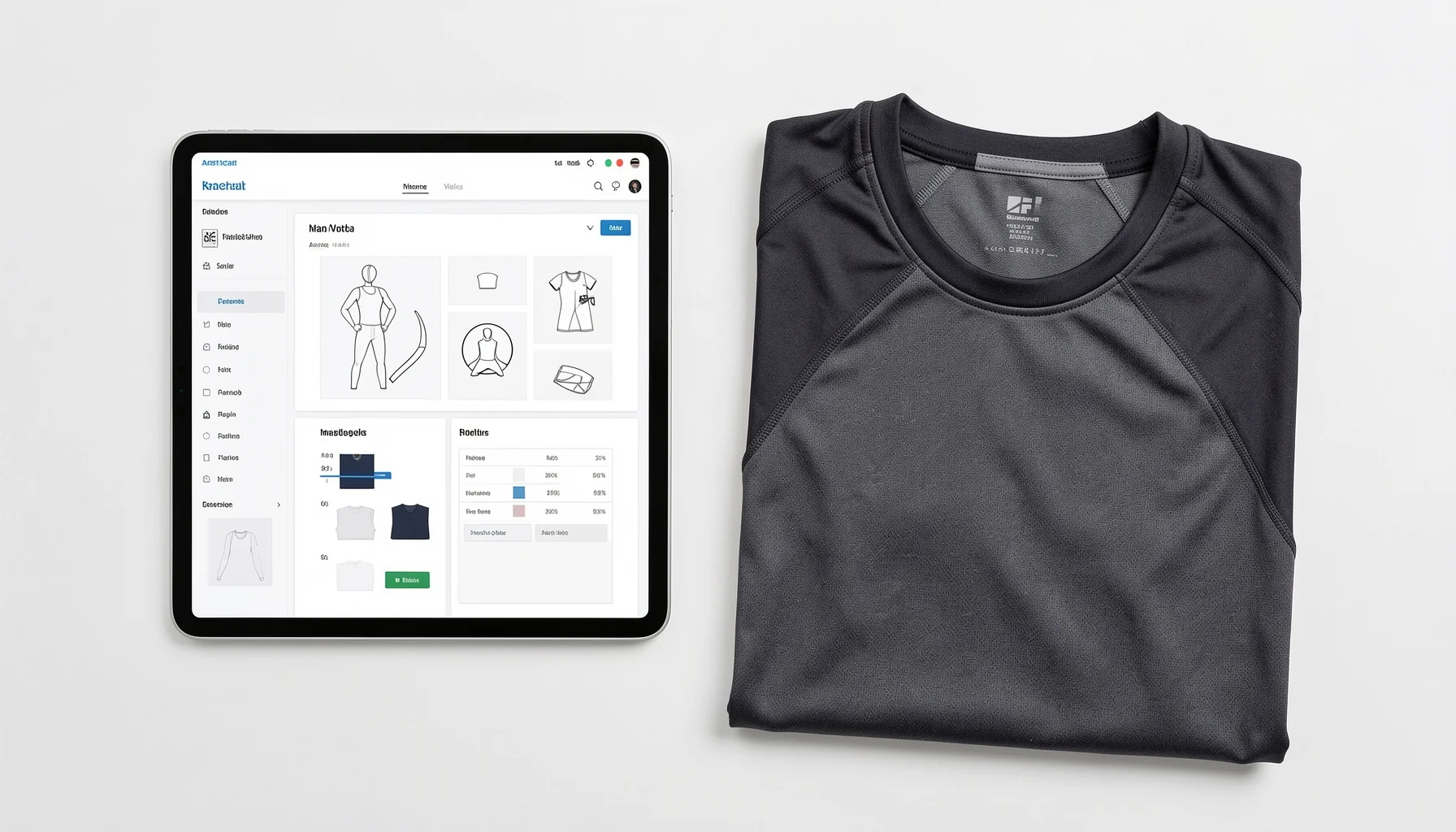 Custom Athletic Wear Suppliers vs. Traditional Bulk Suppliers - Ordering and Real-World Usability
Custom athletic wear suppliers focus on making apparel match a team or brand identity, while Traditional Bulk Suppliers primarily distribute products in wholesale quantities. The right choice depends on whether you need a personalized garment or a dependable supply of goods for resale and business use.
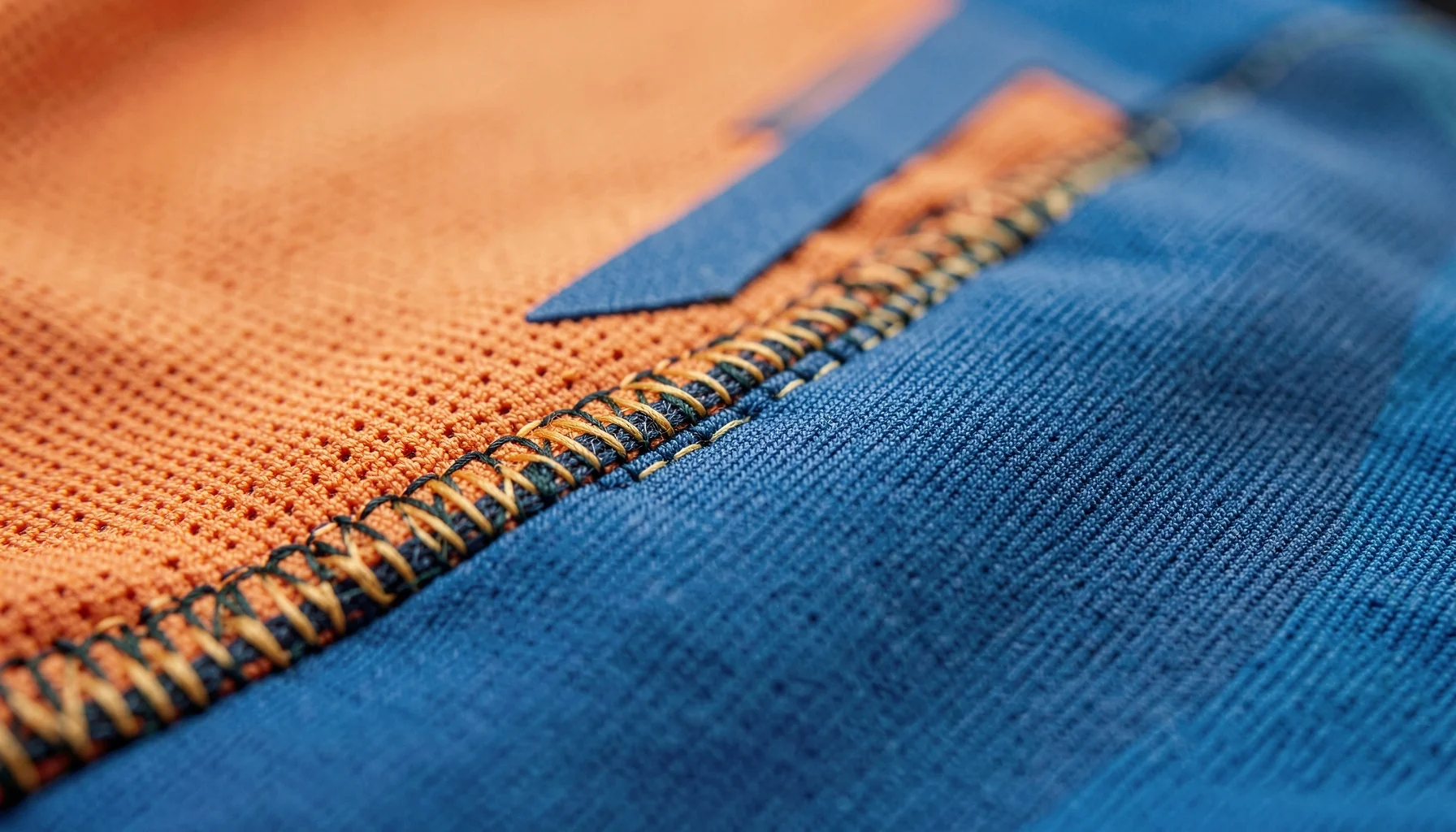 Custom Athletic Wear Suppliers vs. Traditional Bulk Suppliers - Design and Product Build
What does each supplier actually provide?
Custom athletic wear suppliers may personalize existing apparel for a team or group, or manufacture garments for a fitness brand through OEM or private-label services. Depending on the provider, options can include jerseys, leggings, sports bras, tanks, compression wear, tracksuits, and accessories. Customization may use sublimation, screen printing, embroidery, or heat transfers.
Traditional Bulk Suppliers operate differently: they connect manufacturers or brands with business customers that need inventory. Their catalogs can cover general merchandise or specialized categories such as bakery goods, beverages, and herbal products. Some offer tailored products or packaging, but that does not make them sportswear specialists.
How do materials and customization differ?
Athletic apparel suppliers may work with moisture-wicking polyester, spandex or Lycra, recycled fabrics, and breathable micro-mesh. A manufacturing partner may also support fabric selection, technical specifications, sampling, cut-and-sew production, and branding such as labels or hang tags. The available services vary by supplier, so teams should verify exactly what is included.
Bulk distributors tend to differentiate through product selection, sourcing, delivery, and category-specific support. A bakery wholesaler, for example, may offer product customization or baking guidance; those capabilities address food-service needs, not jersey construction or athletic fit.
What does the build process involve?
For a manufacturing or private-label order, the typical workflow is consultation, design and technical specifications, fabric sourcing and sampling, production, quality checks, and delivery. This is suitable for a business developing a collection, but may involve more planning than a team needs for a set of jerseys.
Legendkits focuses on custom team jerseys, with personalization through names, numbers, and team colors. Buyers can choose between stitched tackle twill and high-quality printing, and receive a free digital design proof before production begins.
Features and Performance
Custom athletic wear suppliers are purpose-built for personalized sports apparel; Traditional Bulk Suppliers are built around wholesale product availability and distribution. A supplier’s label alone does not guarantee a particular fabric, decoration method, performance result, or service level—confirm these details against the specific order.
 Custom Athletic Wear Suppliers vs. Traditional Bulk Suppliers - Features and Performance
Which features matter for athletic apparel?
For teams, useful capabilities include a choice of garment styles, colors, names and numbers, and a decoration method suited to the design. Sublimation supports all-over designs; embroidery and heat transfers are other available techniques in the wider supplier market. For custom manufacturing, technical packs and physical samples can help a brand clarify specifications before production.
Legendkits offers stitched tackle twill or high-quality printing for custom jerseys. Its free digital proof gives the buyer an opportunity to review the design before production. The supplied information does not specify fabric composition, a performance test result, or a guaranteed durability rating, so buyers who require those details should ask before ordering.
What performance can buyers reasonably expect?
Athletic suppliers may offer moisture-wicking polyester, stretch fabrics, compression garments, and breathable micro-mesh. These are material options, not universal guarantees: composition and construction depend on the product and provider. Ask for the exact garment specification when comfort, stretch, or a particular use matters.
Traditional Bulk Suppliers may provide reliable access to their own product categories and, in some cases, quality or sourcing information. That can be valuable for a retailer or food-service business, but it does not establish suitability for competition apparel. Compare the actual product specifications rather than assuming that a general distributor can meet uniform requirements.
How should quality claims be checked?
Before placing an order, check the design proof, confirm spelling and numbers, and clarify sizing, decoration, expected production timing, shipping, and the supplier’s process for resolving errors. For larger manufacturing projects, reviewing a physical sample before full production is a practical safeguard.
For wholesale purchasing, review the catalog, ordering terms, delivery coverage, and any account requirements. Traditional distributors may have established supply chains and category expertise, but service and selection can be region-specific. Neither supplier type should be judged by an unsupported industry-wide performance percentage.
Ordering and Real-World Usability
The simplest supplier is the one whose ordering process matches the buyer’s job: collecting uniform requirements for a team is different from replenishing business inventory. Custom athletic wear suppliers support personalization; Traditional Bulk Suppliers typically support wholesale account ordering and distribution.
How does a team order custom jerseys?
A team can begin by settling its style, colors, names, numbers, and decoration preferences. With Legendkits, the buyer receives a free digital design proof before production, making review an explicit step rather than an assumption.
Legendkits states that production takes 1 to 3 business days and total delivery takes 6 to 11 business days. These are the brand’s stated timelines; buyers should confirm that the schedule fits their event date and check any order-specific details before purchase.
How does a wholesale account work?
Traditional Bulk Suppliers commonly require a business to apply for a wholesale account to access wholesale pricing or special offers. Buyers then contact the supplier or use its ordering process to discuss products, quantities, customization, and delivery. Some distributors serve defined regions, so availability and shipping depend on the supplier’s coverage.
A wholesale workflow may work well for a bakery, retailer, café, or institution with recurring supply needs. It is less directly suited to a family ordering one personalized jersey or a club that needs varied player names and numbers.
Which buyer has the more convenient process?
For a roster, a group-order form can reduce manual collection of sizes, where the supplier offers one. For a brand launching a collection, a manufacturer’s consultation, technical pack, sampling, and production sequence provides more control but requires more project coordination.
For a small team, the practical questions are whether each person can be accommodated, whether the artwork can be reviewed, and whether the delivery window is suitable. Legendkits has no minimum order quantity, so a team can order individual or team-based custom gear without needing to meet a bulk threshold.
Value, Pricing, and Pros and Cons
Value depends on the purchase, not simply the unit price: personalized uniforms and wholesale inventory solve different problems. No exact Legendkits garment prices or Traditional Bulk Suppliers’ prices are provided here, so a responsible comparison must focus on verified order terms and avoid inventing price tiers.
Head-to-head comparison matrix
| Comparison criterion in English | custom athletic wear suppliers | Traditional Bulk Suppliers | Verdict in English |
|---|---|---|---|
| Core purpose | Custom team apparel or athletic manufacturing | Wholesale distribution across product categories | Choose by product need |
| Typical buyer | Teams, clubs, schools, fitness brands, and fan groups | Retailers, food-service businesses, institutions, and practitioners | Different audiences |
| Customization | Names, numbers, colors, decoration, and potentially private labeling | May offer tailored products or packaging, depending on supplier | Athletic suppliers for uniforms |
| Minimum order | Legendkits has no minimum order quantity; other providers may set MOQs | Order quantities and case requirements vary by supplier | Verify wholesale terms |
| Legendkits pricing | No garment price or pricing tier specified in the supplied information | Not applicable | Request or review current quote |
| Free tier or credits | Not applicable; no free apparel tier or credit allowance specified | Not applicable | No credit-based plan stated |
| Legendkits design support | Free digital design proof before production | Supplier support varies; often product or account focused | Legendkits includes proof |
| Stated Legendkits production and delivery | Production: 1–3 business days; total delivery: 6–11 business days | Delivery depends on distributor, location, and order | Confirm the required date |
| U.S. shipping | Free standard shipping on Legendkits orders within the United States | Terms vary by supplier and delivery region | Compare actual shipping terms |
| Volume economics | No minimum enables small orders; per-item pricing is not supplied | Wholesale pricing and volume terms depend on supplier | Get comparable quotes |
| API costs or allowances | Not applicable to apparel ordering | Not applicable to wholesale goods | No API comparison applies |
Pros and cons of custom athletic wear suppliers
Pros
- Designed for team identities, including colors, names, and numbers.
- Apparel options may include performance fabrics and multiple decoration techniques.
- Manufacturing partners may provide sampling, technical specifications, and private-label services.
- Legendkits has no minimum order, includes a free design proof, and offers free standard U.S. shipping.
Cons
- Product features, fabrics, minimums, and services vary across providers.
- Manufacturing projects can require technical planning and sample approval.
- Exact Legendkits garment pricing is not specified here, so buyers must check the current order cost.
- The stated delivery window should be checked against the team’s event schedule.
Pros and cons of Traditional Bulk Suppliers
Pros
- Useful for businesses needing wholesale inventory and repeat supply.
- Specialists can offer category knowledge, distribution, and related business support.
- Some suppliers provide tailored products, packaging, or account-based pricing.
Cons
- A general or category-specific wholesale distributor may not offer custom team jerseys.
- Wholesale accounts, minimum quantities, case terms, and regional delivery limits can apply.
- Product categories and customization vary; buyers must confirm each supplier’s offering.
- Bulk availability does not automatically meet a team’s needs for individual names, numbers, and colors.
How should you compare total cost?
For a fair quote comparison, include the garment or product price, any setup or customization charge, shipping, order minimums, and the cost of unused stock. Legendkits’ no-minimum policy can help avoid ordering extras solely to reach a threshold, but the information provided does not establish that an individual jersey costs less than a bulk-priced item.
For business inventory, bulk pricing may be attractive when quantities match actual demand and repeat purchasing is important. Compare the supplier’s full terms rather than treating a lower unit price as lower total cost.
Buyer Decision and FAQ
Choose based on the job to be done: custom athletic apparel for a team, or wholesale inventory for a business. Legendkits is a relevant destination for buyers seeking personalized jerseys without a minimum; a Traditional Bulk Supplier is the more natural fit for recurring business stock in its product category.
When should you choose each option?
Choose custom athletic wear suppliers when:
- Your team needs jerseys with names, numbers, or team colors.
- You need individual or small-batch ordering rather than a wholesale case.
- You want a design proof or a choice of print or stitched finishing.
- You are developing a sportswear line and need manufacturing or private-label support.
Choose Traditional Bulk Suppliers when:
- You run a retail, food-service, institutional, or specialist business.
- You need wholesale stock for resale or ongoing operations.
- A supplier’s catalog and delivery territory match your requirements.
- Account-based ordering and volume purchasing suit your buying pattern.
For custom team jerseys, Legendkits is the focused choice: there is no minimum order quantity, the design proof is free, and standard U.S. shipping is free. Review the current product details and confirm timing before placing an order.
FAQ
Are custom athletic wear suppliers better than Traditional Bulk Suppliers for team jerseys?
Usually, yes. Custom athletic wear suppliers specialize in sports apparel and may support team colors, player names, numbers, and athletic decoration methods. Traditional Bulk Suppliers are generally organized around wholesale distribution for business inventory, not personalized team uniforms. Check the actual product and terms before ordering: capabilities vary. For a team seeking individual custom jerseys without a minimum order, Legendkits is designed for that use case.
Can I order custom athletic wear without meeting a minimum quantity?
It depends on the supplier. Some manufacturing partners set minimums, while Legendkits states that it has no minimum order quantity, allowing individual or team-based custom jersey orders. The no-minimum policy is useful for small clubs, families, and fan groups that do not need wholesale quantities. Confirm the current product options, price, and order details before submitting a purchase.
How long does a Legendkits custom jersey order take?
Legendkits states that production takes 1 to 3 business days, with total delivery taking 6 to 11 business days. Production and shipping are separate parts of the timeline, so use the total delivery window when planning for a tournament, season, or event. Check the order details and allow sufficient time for design review and delivery rather than assuming an item will arrive by a specific date.
How should I compare the cost of custom jerseys with bulk apparel?
Compare the full order cost, not just the per-item figure. Include customization, shipping, minimum quantities, and whether you would have to buy extras that your team does not need. Legendkits offers free standard shipping in the United States and no minimum order, but its exact garment prices are not specified here. Request or review current pricing, then compare it with a bulk supplier’s actual quote and terms.