

Personalized sports uniforms can strengthen team identity when their colors, names, numbers, and finishes reflect the group wearing them. The most effective designs balance visual unity with fit, comfort, and practical production choices. A clear approval process matters too: reviewing a digital proof before manufacturing helps teams catch errors and align on the final look.
What Personalized Sports Uniforms Do for a Team
Personalized sports uniforms combine a shared visual identity with player-specific details. Names, numbers, team colors, and logos help distinguish players and create a consistent look, while thoughtful choices about fabric and finish support the uniform’s use on the court, field, or sidelines.
 Design Personalized Sports Uniforms That Build Team Morale - What Personalized Sports Uniforms Do for a Team
Identity is built through both shared and individual details
A uniform communicates that players belong to the same team, but personalization allows each person to be recognized within that group. Consistent colors and logo placement establish a common visual language; names and numbers make individual jerseys identifiable. When those elements are planned together, the result feels coordinated rather than assembled from unrelated design choices.
Morale is not guaranteed by apparel alone. Uniforms are one practical way to express belonging, especially for youth teams, amateur leagues, clubs, families, and fan groups that want a professional appearance without placing a large bulk order. A team can build shared ownership by involving players in color selection or collecting feedback on lettering and number styles before approving a design.
The aim is not to add as many graphics as possible. A readable, balanced uniform usually communicates team identity more clearly than a crowded one. Decide which elements matter most—typically the team colors, logo, and player identification—and give them enough space to remain visible.
The design-to-delivery process has distinct stages
A personalized jersey order moves through a sequence: selecting a style and color scheme, adding names, numbers, and logos, reviewing a digital proof, approving production, and receiving the finished gear. Each stage has a different purpose. Design choices establish the look; personalization captures the roster; proof review checks accuracy; production and fulfillment turn the approved design into apparel.
Legendkits describes a workflow in which customers use website design tools to choose a jersey style, colors, and finish, then provide personalization details. Professional design assistance is available, and every order receives a free digital design proof before production begins. That proof is a key quality checkpoint, not merely a preview.
The company’s stated production window is 1–3 business days after approval, with total delivery ranging from 6–11 business days. Teams should plan backward from their first match or event, leaving time to gather player details and review the proof rather than treating the delivery estimate as a substitute for preparation.
Design decisions should account for the sport
A uniform should look cohesive while accommodating movement and the conditions of play. For high-performance sports such as soccer, basketball, and rugby, breathable, moisture-wicking materials such as sublimated polyester are common industry priorities. The specific material and construction should be confirmed with the supplier; do not assume every style uses the same fabric or features.
Consider the sport’s movement patterns, likely conditions, and garment coverage. Players need room to move, while ventilation and stretch can contribute to comfort. Mesh panels may be useful design considerations where offered, but availability is product-specific and should be verified rather than presumed.
Also check applicable league requirements before finalizing the artwork. Rules can affect acceptable colors, number visibility, logo placement, or construction. For example, rugby teams should confirm relevant World Rugby requirements with their governing body or competition organizer. Requirements vary, so use current rules for the actual league and season.
How to Plan the Technical Specifications
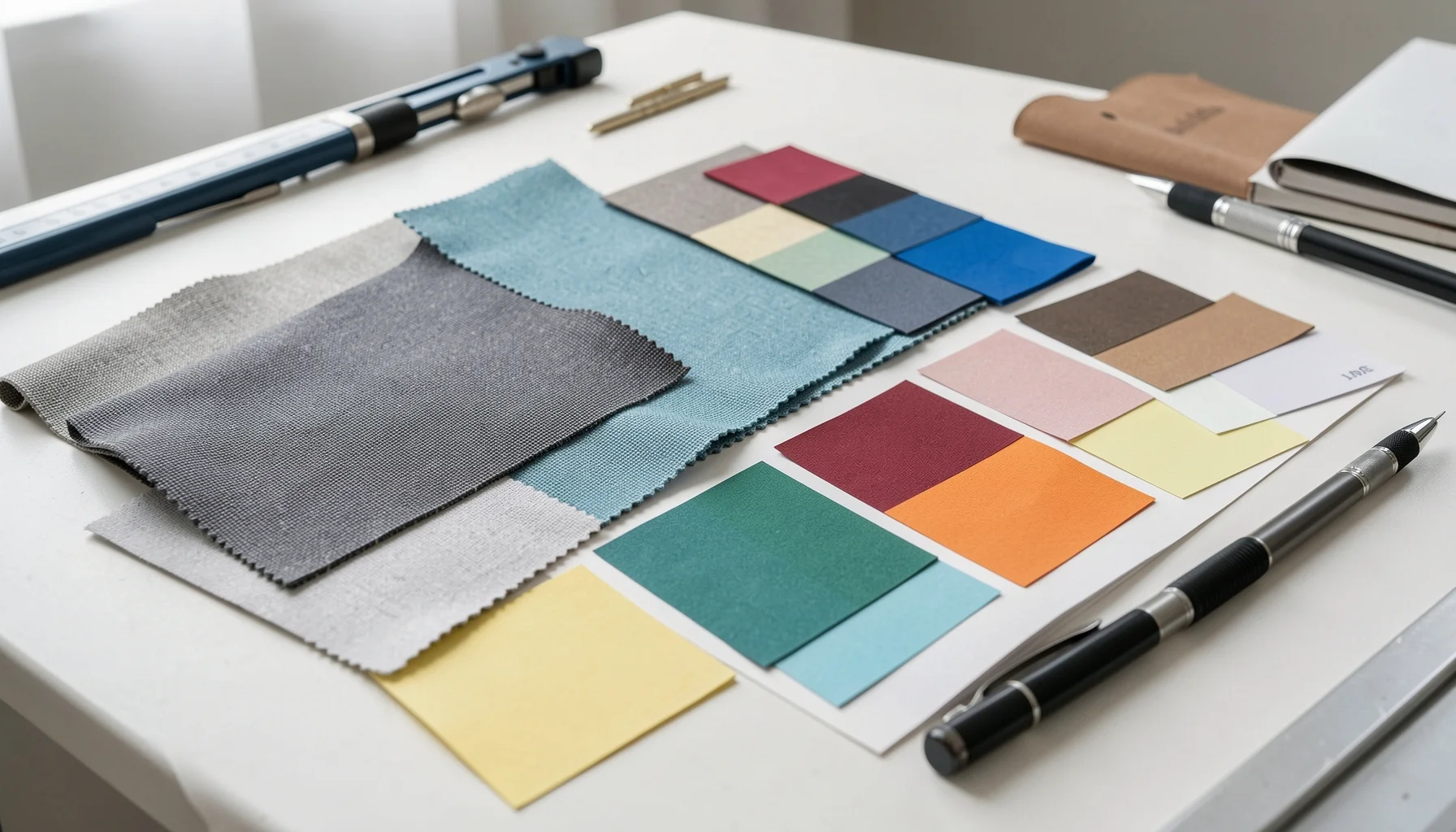
The strongest uniform specification is a concise record of choices that affect fit, identification, appearance, and production. A shared specification sheet helps a coach, team manager, or club administrator compare options and reduces avoidable inconsistencies between roster data and the approved artwork.
 Design Personalized Sports Uniforms That Build Team Morale - How to Plan the Technical Specifications
Build a specification before customizing
Start by recording the sport, intended use, roster size, and date the uniforms are needed. Then define the visual system: primary and secondary colors, logo files, name and number treatment, and any league constraints. Separate essential requirements from preferences. For instance, legible player numbers are functional, while a particular decorative accent may be optional.
Sizing deserves its own step. Collect each player’s measurements using the supplier’s sizing guidance, and ask about sample pieces when a larger group order makes fit uncertainty consequential. Never infer that a familiar size label fits identically across suppliers or garment styles. Keep each player’s selected size tied to their name and number in a single roster document.
The table below is a planning framework, not a claim that every garment includes the same construction. Confirm product-specific materials, sizing, and available finishes with the supplier before approving an order.
| Specification area | What to record | Practical verification |
|---|---|---|
| Sport and use | Sport, competition level, indoor or outdoor use, and event date | Check the league’s current uniform rules and the expected playing conditions |
| Color system | Main color, secondary color, and any accent color | Compare the selected colors together and check contrast for player identification |
| Team identity | Logo file, preferred placement, and any required clear space | Confirm the correct, current logo version and review its size on the proof |
| Player details | Exact roster spelling, jersey number, and garment size | Match every name and number against a roster approved by the team |
| Finishing method | Stitched tackle twill or high-quality printing, as available | Confirm the chosen finish, artwork treatment, and product-specific options |
| Fit and mobility | Sizing guidance, intended fit, and movement needs | Review the supplier’s chart and consider samples for larger orders |
| Approval and schedule | Proof reviewer, approval date, production window, and event deadline | Approve only after the artwork and roster have been checked |
| Delivery plan | Delivery address and person responsible for receipt | Allow time for the stated delivery window and team distribution |
Choose a finish based on the design and use
Legendkits offers a choice between premium stitched tackle twill and high-quality printing. The right option depends on the desired appearance, the artwork, and the product options available for the selected jersey. Do not assume one finish is universally more durable or better suited to every design without product-specific evidence.
Tackle twill creates a stitched application; printing reproduces artwork through a printed finish. When deciding, consider how the team wants names, numbers, and graphics to appear, and ask the supplier how the requested design will be rendered. Review the actual digital proof closely, since visual presentation can differ from a verbal description of the concept.
A useful comparison begins with practical questions:
- Does the finish support the team’s preferred visual style?
- Will names and numbers remain clear against the garment color?
- Does the proof show the logo and lettering at an appropriate scale?
- Are all requested elements available on the chosen style?
Treat contrast and readability as functional requirements
A uniform can have striking colors and still fail if its numbers are hard to read. Make player identification a design requirement from the beginning. Check how the number color contrasts with the jersey, whether the typeface remains legible at the intended size, and whether the logo competes with the name or number for attention.
Simplify rather than layering in every possible motif. A small set of coordinated colors, a clearly placed logo, and consistent lettering usually create a stronger identity than numerous unrelated graphics. Review the design at both full size and reduced size: an element that looks clear on a computer screen may become difficult to distinguish on a worn garment.
A Step-by-Step Workflow for Ordering
A reliable workflow assigns responsibility for each decision and creates a checkpoint before production. Teams should consolidate design preferences and roster details, then use the digital proof to verify the complete order before approving manufacturing.
 Design Personalized Sports Uniforms That Build Team Morale - A Step-by-Step Workflow for Ordering
Step 1: Choose the style and establish the design brief
Begin with the sport, use case, roster, and deadline. Identify who can make decisions on behalf of the team, such as a coach or team manager, and decide how players will contribute feedback. This prevents conflicting requests from reaching the designer at different stages.
Use the website’s available design tools to select the desired jersey style, colors, and finish. Keep a written brief that records the team’s chosen colors, logo, placement preferences, and any competition rules. If the team has an existing visual identity, use its current approved assets rather than recreating a logo from memory.
Legendkits provides professional design assistance. Use it to clarify how a concept can be adapted to the selected garment and available customization options. Design support can help translate preferences into a workable layout, but the team remains responsible for supplying accurate names, numbers, and other order information.
Step 2: Prepare and verify player information
Gather names, numbers, and sizes in one controlled roster document. Ask players or guardians to confirm spelling and size selections; then have a second person check the compiled list. This simple cross-check can prevent an incorrect name or number from being carried into the artwork and manufacturing.
For sizing, follow the supplier’s chart rather than relying on assumptions about age, height, or a player’s usual size in another brand. If the order is substantial and fit is uncertain, consider asking about sample pieces before committing the full group. Keep a record of who confirmed each selection, particularly when an adult is organizing uniforms for a youth team.
Upload the team logo in the format requested by the design process. Use the correct version and confirm that it does not contain outdated sponsor marks or colors. A logo that is too small, low-resolution, or visually complex may require adjustment, so raise potential issues before proof approval.
Step 3: Review the digital proof before production
Every Legendkits order includes a free digital design proof before production. Assign one person to coordinate the review, but have the relevant team decision-makers verify the details. Compare the proof with the roster and brief rather than relying on memory or a quick visual impression.
Check these items systematically:
- Team name and logo are correct and current.
- Names match the approved roster, including spelling and capitalization.
- Numbers are correct and shown clearly.
- Colors, placements, and finish match the agreed design.
- Sizes and garment selections align with the team’s records.
- The layout complies with known league requirements.
Resolve all discrepancies before approving. The proof is the final opportunity in this workflow to catch design and personalization errors before manufacturing begins. Save the approved version and the roster used to verify it so that the team has a clear record of what was authorized.
Step 4: Approve, track, and distribute
Once the design and order details are confirmed, provide approval through the process specified by the supplier. Production begins after approval; Legendkits states that production takes 1–3 business days, while total delivery is generally 6–11 business days. These are stated windows, not a reason to delay submitting the order until the last moment.
After shipment, designate someone to receive and distribute the uniforms. At delivery, compare the items with the order records: check garment sizes, names, numbers, and visible design details. Report discrepancies promptly through the appropriate customer support channel.
For a team event, plan an internal buffer between expected arrival and first use. That time allows the organizer to sort each jersey, identify missing items, and communicate any issue before players need the gear.
Practical Design Advice, Common Mistakes, and Examples
A well-managed design process protects both team identity and practical usability. Most avoidable problems arise from unclear ownership, unchecked roster details, overcomplicated artwork, sizing assumptions, or late approval—not from a lack of decorative ideas.
Prevent errors with a short quality-control routine
Use one source of truth for names, numbers, sizes, and color decisions. If details are scattered across messages or spreadsheets, conflicting versions can easily reach the proof stage. Set a deadline for roster changes and require the team’s designated reviewer to reconcile late updates before approval.
Before approving, use a two-person check: one person reads each player’s information from the roster, while another verifies it against the proof. Check numbers independently; repeated digits and similar-looking characters can be easy to overlook. Make sure that the proof reflects the selected finish and garment style, rather than a previous design version.
Sizing mistakes can be especially disruptive when an entire group orders at once. Use the applicable size chart, do not equate youth and adult labels without checking, and consider sample garments for larger commitments when possible. Ask the supplier which sample options are available instead of assuming they are included.
Avoid visual clutter and production assumptions
A common design mistake is giving every idea equal prominence. Too many colors, graphic effects, type styles, and competing logos can make a uniform harder to read and less cohesive. Set a visual hierarchy: team identity first, player identification next, and decorative elements only where they support the overall design.
Another mistake is assuming that every jersey style supports identical artwork, panels, fabrics, or finishing. Confirm availability for the selected product. Industry guidance often favors breathable, moisture-wicking materials such as sublimated polyester for active sports, but the actual fabric construction should be verified for the specific garment.
Do not overlook competition rules. Check relevant requirements before finalizing numbers, colors, or logos, particularly when uniforms will be used in a regulated league. Nor should teams presume that a proof automatically establishes compliance; the team or organization should verify its own governing rules.
Use examples to make the process concrete
A youth basketball team might start by choosing two established team colors, then select a contrasting number color for visibility. The manager gathers player names and sizes in one roster, checks the league’s rules, and asks two adults to review the digital proof. The value comes not from adding more graphic elements but from making the jersey easy to identify and consistent across the group.
A family ordering individual jerseys for a tournament can use the same workflow at a smaller scale. With no minimum order quantity at Legendkits, a single jersey or a small group order can be placed without requiring a bulk commitment. That can help families or fan groups obtain coordinated apparel without ordering for an entire league.
A community club replacing uniforms for multiple squads should standardize the shared elements—such as colors and logo treatment—while maintaining separate, verified player lists for each group. This approach supports a recognizable club identity and reduces the risk of transferring one team’s names or numbers to another’s order.
Team-Scale Planning, 2026 Outlook, and FAQ
At any order size, reliable results depend on clear specifications, accurate roster data, and documented approval. Looking ahead to 2026, teams should treat personalization as a coordinated design and fulfillment workflow rather than a last-minute decoration task.
Plan for groups without assuming bulk-only processes
A team order may involve a coach, players, parents, a club administrator, or a fan group. Establish who owns the design brief, who verifies player information, and who can approve the proof. For a larger group, create a roster template and a review log so that each person’s selection can be checked consistently.
Legendkits’ no-minimum-order approach supports both single-item and small-group orders, which can be useful for replacement jerseys, families, and clubs that do not need a large batch. Free standard shipping is provided on orders within the United States. Confirm the current order details and delivery address during the ordering process, especially when gear is being sent to a team organizer rather than an individual player.
Keep schedule planning realistic. The stated 1–3 business-day production period begins after approval, and the overall delivery window is 6–11 business days. Allow additional time before a tournament, season opening, or team event for collecting sizes, checking the proof, and distributing the finished uniforms.
What teams should prioritize in 2026
A useful 2026 planning standard is not a speculative percentage benchmark; it is a repeatable process teams can verify. Begin with current league requirements, use a documented roster, check fit guidance, and approve a digital proof that represents the exact design requested. These practices remain useful regardless of changing visual trends or technology.
Teams should also favor decisions that can be maintained. A coherent color palette and clear logo treatment make future replacements easier to match. Store the approved design and roster records securely, and confirm which files or specifications the supplier can retain for future orders rather than assuming designs will be available indefinitely.
From the perspective of Legendkits, on-demand customization is especially relevant to groups that need professional-looking apparel without a bulk commitment. Its workflow pairs customization and design assistance with a proof before production, giving organizers a defined checkpoint to align the team’s identity and individual details. For current customization options, teams can review the process at Legendkits.
FAQ
How do personalized sports uniforms help build team morale?
Personalized uniforms can make team membership visible by combining shared colors and logos with individual names or numbers. That combination can support a sense of belonging and help players feel represented, especially when the group participates in choosing the design. Apparel alone cannot guarantee morale, but an inclusive process and a coherent result can reinforce team identity. Keep the design readable and practical so that personal details contribute to the team’s look rather than overwhelm it.
What information should a team prepare before ordering?
Prepare the sport and event date, selected jersey style and colors, team logo, roster of names and numbers, and each player’s size. Check the supplier’s sizing guidance and identify any league requirements that affect the design. Assign one person to consolidate the information and another to check it. Keeping these details together makes proof review easier and reduces the chance that an outdated roster or conflicting design instruction will be used.
What is the difference between stitched tackle twill and printing?
Stitched tackle twill and printing are two finish options offered by Legendkits. Tackle twill uses stitched material for the applied design, while printing presents the design through a printed finish. The best fit depends on the desired look, the chosen jersey, and which artwork treatments are available. Ask the supplier to confirm product-specific options, then compare the digital proof with the team’s expectations before approving production.
How long does a personalized uniform order take?
Legendkits states that production is completed in 1–3 business days, with total delivery taking 6–11 business days. Teams should account for the time needed to collect roster details, resolve sizing questions, and review the free digital proof before production begins. Plan ahead of the first game or event and leave a buffer for sorting and distributing the gear. Confirm the current timing for the specific order during the ordering process.