

Small batch custom athletic wear lets growing clubs outfit players with consistent, personalized uniforms without ordering in bulk. Teams can select styles, colors, names, numbers, and decoration methods, then review a digital proof before production. The model suits clubs with changing rosters, youth teams, amateur leagues, and fan groups that need professional-looking gear in small quantities.
What Small-Batch Custom Athletic Wear Means
 Small Batch Custom Athletic Wear for Growing Clubs - What Small-Batch Custom Athletic Wear Means
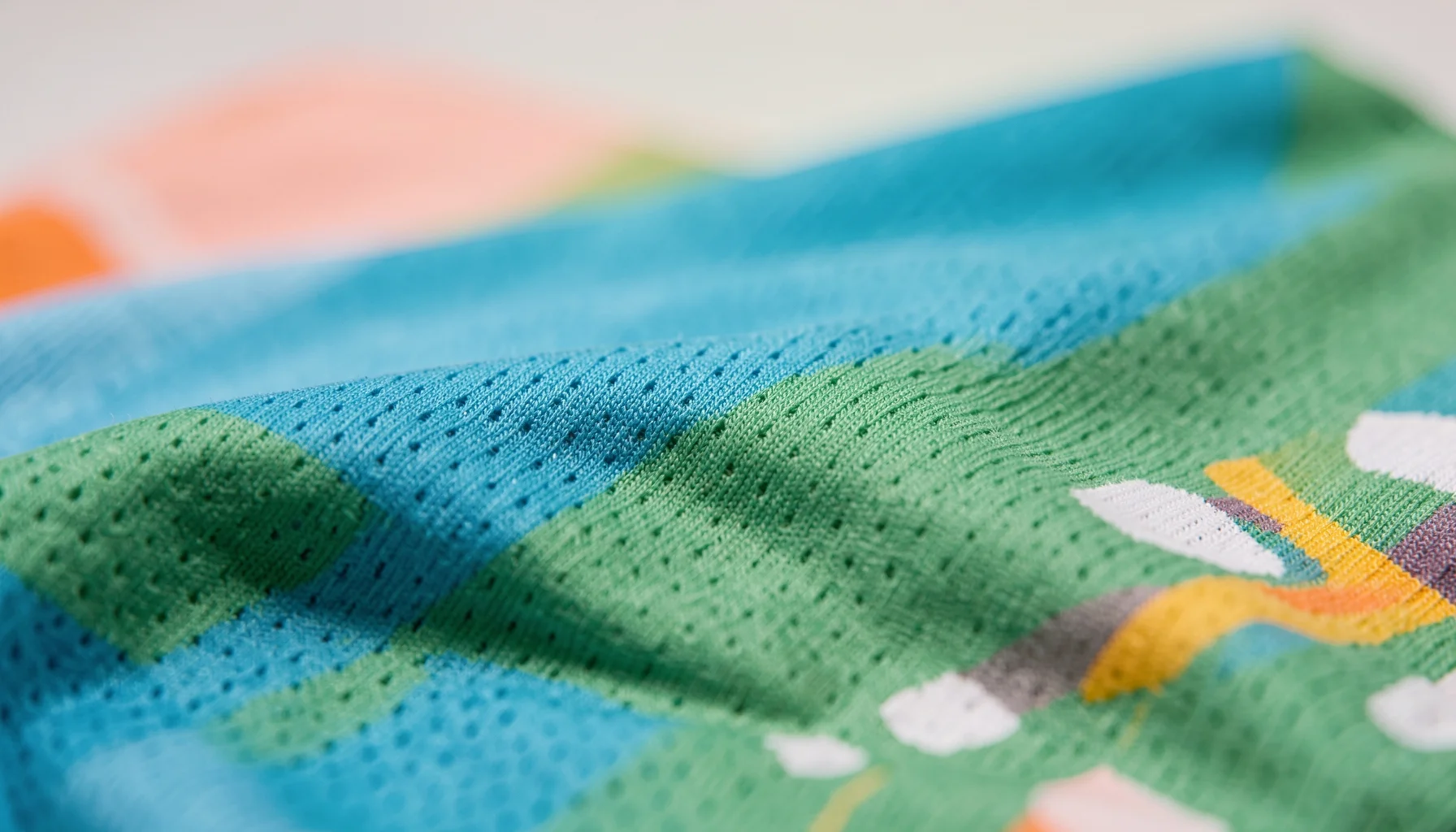
Small-batch custom athletic wear is made-to-order team apparel produced in limited quantities or as individual pieces. It combines team-specific design with flexible ordering, helping clubs avoid the mismatch between fixed bulk minimums and real roster needs.
How the model differs from bulk production
Traditional bulk manufacturing is organized around larger runs. Preparing artwork, sourcing materials, and configuring production equipment can make a minimum order efficient for a factory, but that threshold may not suit a new club, a small squad, or a team adding players mid-season.
Small-batch production serves a different operational need: produce only the pieces a team requires. A club might order uniforms for an initial roster, then request a replacement or a uniform for a new member later. The central benefit is quantity flexibility, not a different standard of design.
This approach is especially useful when team numbers are uncertain. Youth organizations may have late registrations; amateur clubs may form a new side; families may want a single personalized jersey. Small-batch ordering makes those situations easier to manage, provided the club plans artwork and specifications carefully.
The practical architecture: design, proof, production, delivery
The process has four connected stages: design selection, proofing, production, and fulfillment. Customers choose apparel styles, colors, and finishes through the platform’s design tools, with professional design assistance available when needed.
Before manufacturing, the customer receives a free digital design proof for approval. That proof is a checkpoint: it allows the club to verify the visual arrangement of names, numbers, colors, and other selected details before production begins. After approval, the order enters manufacturing using the chosen printing or stitched tackle twill finish, and finished items are shipped to the customer.
Legendkits describes production as taking 1 to 3 business days, with total delivery typically 6 to 11 business days. Free standard shipping applies to orders within the United States. Teams should still build in time to review the proof and coordinate delivery before their first match.
Who benefits most?
Small-batch customization is a strong fit for youth sports teams, amateur leagues, clubs, families, and fan groups. It can also help organizations that need a few replacement garments rather than a complete new team set.
The model is particularly relevant when a team values individual names and numbers but cannot predict its final roster far in advance. It can support a consistent visual identity without requiring every order to match a large factory run. For a growing club, that flexibility can make uniform planning more manageable—but only when the club keeps a reliable record of its approved design and specifications.
Specifications and Decoration Choices
 Small Batch Custom Athletic Wear for Growing Clubs - Specifications and Decoration Choices
The most important specifications are the garment’s style, color scheme, personalization, and decoration method. Clubs should treat these as a coordinated design brief: each choice affects how the finished uniform communicates team identity and how easily future orders can match it.
A technical overview of the order workflow
The following table summarizes the practical mechanics of a small-batch order. It focuses on decisions and checkpoints rather than price or commercial plans.
| Stage or specification | What the club selects or verifies | Why it matters |
|---|---|---|
| Apparel style | The garment style available through the design tools | Establishes the base for the team’s uniform design |
| Team colors | The team-specific color scheme | Helps create a recognizable and consistent identity |
| Personalization | Team name, player name, and number details | Ensures each garment reflects the intended roster information |
| Decoration method | Stitched tackle twill or high-quality printing | Determines how names, numbers, and design elements are finished |
| Design assistance | Professional support when needed | Helps teams develop or refine the visual layout |
| Digital proof | The customer reviews the design before production | Provides a pre-production checkpoint for confirming visible details |
| Production | Manufacturing begins after proof approval | Prevents the order from moving into production before the customer has approved its design |
| Production turnaround | 1 to 3 business days | Provides a planning benchmark for manufacturing |
| Total delivery | 6 to 11 business days | Helps clubs plan around the full order-to-delivery timeline |
| Shipping | Free standard shipping within the United States | Clarifies the stated shipping arrangement for domestic orders |
Printing and tackle twill: choosing the finish
Legendkits offers two finishing options: high-quality printing and premium stitched tackle twill. The appropriate choice depends on the team’s design requirements and preferred appearance. The available facts do not establish that one method is universally better, so teams should choose based on the design they want and confirm that the selected finish works for their chosen garment and artwork.
Printing can be a practical option for designs that call for a printed finish. Stitched tackle twill offers a sewn, layered appearance. Rather than assuming that decoration terms are interchangeable, clubs should make the finish explicit in the order and review how it appears on the digital proof.
Avoid broad assumptions about durability, feel, or performance unless the supplier provides garment-specific details. The grounded distinction here is the finishing method—not a guarantee that one option will outperform the other in every sport, climate, or use pattern.
What should be checked on a digital proof?
A proof is most useful when reviewed against a written roster and design brief. Verify:
- Team name and spelling, including capitalization and spacing.
- Player names and numbers, checking each garment against the current roster.
- Color placement, particularly where contrasting elements meet.
- Decoration choice, confirming that the visual matches the intended printed or tackle twill finish.
- Consistency across garments, so a set does not contain accidental variations.
A digital proof is a visual approval step, not a substitute for supplying accurate information. If a name or number is wrong in the roster provided, the proof may reproduce that error faithfully. Assign one person to consolidate team details and another, if possible, to perform a final independent check.
A Step-by-Step Ordering Workflow
 Small Batch Custom Athletic Wear for Growing Clubs - A Step-by-Step Ordering Workflow
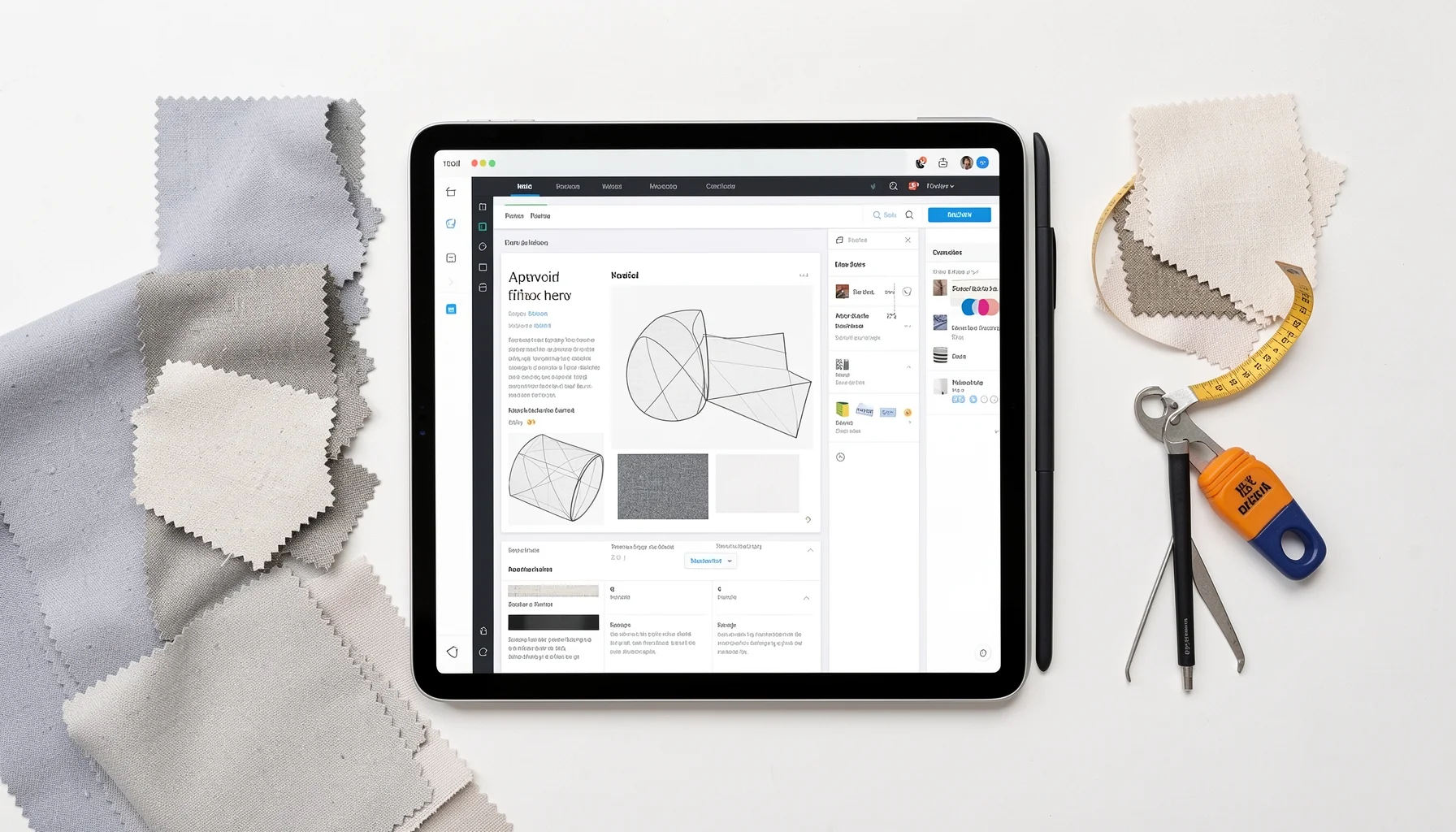
A reliable small-batch order begins with a clear brief and ends with a documented approval. Following a repeatable workflow reduces avoidable corrections and helps clubs coordinate orders around roster changes and delivery dates.
Step 1: Define the team’s requirements
Start by deciding what the order must accomplish. Record the number of garments needed now, the intended styles, team colors, personalization requirements, and preferred finish. Separate confirmed requirements from open questions; for example, a player’s number may be finalized while a late registration is still pending.
Create one source of truth for names and numbers. A simple roster document can include each player’s name, number, garment requirement, and confirmation status. Limit editing access as the order approaches proof approval so that late changes do not create conflicting versions.
Step 2: Select the design and request support
Use the design tools to select styles, colors, and finishes. Where the team needs help translating its identity into a workable layout, draw on the available professional design assistance. Provide clear reference information rather than relying on informal descriptions such as “make it like last year.”
If the club has an existing uniform, describe which elements should remain consistent and which may change. Specify the team name, color scheme, personalization, and preferred decoration method. This gives the design process a practical brief and makes the resulting proof easier to assess.
Step 3: Review and approve the proof
Once the digital proof arrives, compare it with the team brief and roster. Check every personalized item, not just the overall look. A design can appear correct at a glance while containing a transposed number, a spelling error, or an unexpected color placement.
Keep a record of the approved proof and the roster version used for review. If corrections are needed, communicate them clearly and review the revised proof before production. Production follows approval, so the customer’s final review is the critical control point in the workflow.
Step 4: Plan for production and delivery
After approval, the order moves into manufacturing. Legendkits states a production turnaround of 1 to 3 business days and a total delivery timeline of 6 to 11 business days. These are useful planning benchmarks, but a club should schedule its order with enough margin to account for proof review and its own internal coordination.
For a first order, avoid waiting until the event is imminent. Set a team deadline for collecting roster information, a deadline for approving the proof, and a target arrival date that precedes the first use. Domestic orders within the United States have free standard shipping according to the stated policy.
Step 5: Prepare for future roster changes
A growing club should keep its approved design, garment choices, decoration method, and roster records together. Before placing a later fill-in order, confirm that the design and specifications are still current and ask the manufacturer whether artwork can be retained for repeat orders. The available facts do not confirm an artwork-retention policy, so teams should verify this directly rather than assume it.
Common Pitfalls, Club Examples, and Planning Advice
Most avoidable problems come from unclear specifications, rushed approvals, or weak recordkeeping—not from the small-batch model itself. Clubs can reduce those risks by assigning ownership for the roster, proof review, and order timeline.
Pitfalls and practical fixes
Unverified roster details: Names and numbers are easy to mistype, especially when information arrives through multiple channels. Consolidate the roster before design approval and have a second person cross-check it.
Vague finish instructions: If the team has a specific preference, name printing or stitched tackle twill explicitly. Then check that the proof reflects the intended finish.
Late design changes: Changes made after a proof is approved can disrupt a team’s schedule. Set an internal sign-off date and treat the approved proof as the production reference.
Assuming repeat orders will match automatically: A new order may require confirmation of the original style, colors, and finish. Retain the approved design and ask whether artwork can be used again.
Confusing production time with total delivery time: The stated 1-to-3-business-day production turnaround is not the same as the 6-to-11-business-day total delivery timeline. Plan using the full delivery estimate and leave additional time for internal review.
Illustrative club scenarios
A youth team may know its core roster but still expect late registrations. It can prepare a design and order the confirmed garments, while maintaining a controlled list of later additions. The key is to preserve the approved specifications and confirm the process for subsequent orders rather than assume the next batch will be automatic.
A small amateur club may need just a few personalized uniforms for a new side. A no-minimum policy makes that small order possible without requiring the club to buy a larger quantity than it needs. The club still benefits from the same disciplined steps: define the design, review the proof, and plan around delivery.
A fan group may want custom apparel featuring group colors and individual names. In that case, one organizer can collect specifications, use a shared approval process, and ensure the final proof represents the group’s intended design before production.
What 2026 industry context means for buyers
The 2026 market includes both high-volume manufacturers and suppliers serving smaller orders. Some bulk-oriented providers may require substantial minimum quantities, while small-batch specialists address the needs of teams ordering fewer than 100 units. These categories reflect different production models, not a universal quality ranking.
Industry guidance also highlights the importance of checking what a quoted order includes. Artwork preparation, setup, or digitizing can affect the practical scope of an order, so buyers should ask for clarity rather than judge a supplier by a headline figure alone. Legendkits’ stated workflow includes professional design assistance and a free digital proof before production; teams should still confirm any order-specific details that matter to them.
For a club, the most useful benchmarks are operational: whether its required quantity is accepted, whether it can review a proof, which finish is available, and how the stated production and delivery timelines fit its calendar.
FAQ
What counts as small-batch custom athletic wear?
Small-batch custom athletic wear is team apparel made in limited quantities or as individual pieces, with customization such as team colors, names, and numbers. It serves organizations that do not need—or cannot efficiently order—a large production run. At Legendkits, the no-minimum policy allows individuals and small groups to order custom gear without a bulk requirement. The exact garment and finish should be selected through the design process and confirmed on the digital proof.
Can a club order a single personalized jersey?
Yes. Legendkits operates with a no-minimum order quantity policy, so an individual or small group can order without meeting a bulk threshold. That flexibility can help with a replacement garment, a late roster addition, or a small club’s initial order. The club should provide accurate personalization details and review the digital proof before production. For a later fill-in order, confirm whether the original artwork and specifications can be reused rather than assuming they are retained.
How long does production and delivery take?
Legendkits states that production takes 1 to 3 business days, while total delivery takes 6 to 11 business days. The production figure covers the manufacturing turnaround; the total delivery estimate is the more useful planning benchmark for when the order may arrive. Teams should allow time to submit complete information and review the proof before production begins. Free standard shipping is available on orders within the United States.
What should a team verify before approving its design proof?
Compare the proof with the final roster and written design brief. Check team name spelling, each player’s name and number, the selected color scheme, and whether the visual reflects the intended printing or stitched tackle twill finish. Confirm consistency across all garments and resolve any uncertainties before approval. Because manufacturing begins after the customer approves the proof, this review is the team’s main opportunity to catch visible errors before production.