

Stitched vs printed jerseys for sports teams comes down to the look, feel, and practical demands of the uniform. Stitched tackle twill adds raised, sewn-on fabric lettering and numbers; high-quality printing creates a smoother, lighter finish. Understanding those differences—and checking every detail in a digital proof—helps teams choose a finish that suits their sport, design, and ordering needs.
What Stitched and Printed Finishes Actually Mean
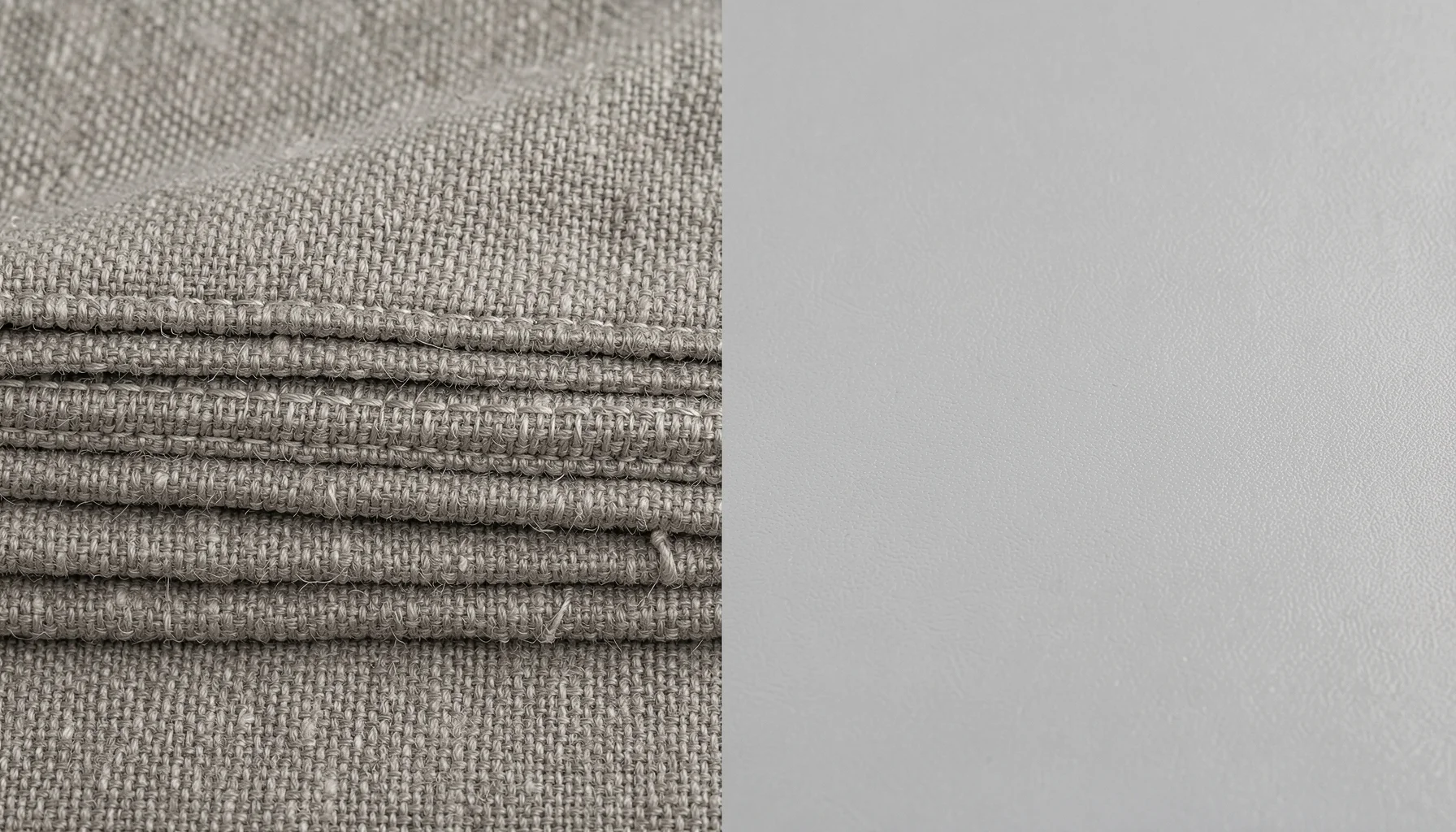
The key difference is how names, numbers, and other design elements are applied to the jersey. Stitched tackle twill uses individual fabric pieces sewn onto the garment, while high-quality printing bonds the design to the fabric using heat-transfer or direct-to-garment methods.
 Stitched vs Printed Jerseys for Sports Teams: Which Finish? - What Stitched and Printed Finishes Actually Mean
How tackle twill creates a raised, sewn-on finish
With tackle twill, letters and numbers are made from fabric and stitched onto the jersey. The finished design has a distinct texture and a heavier, layered appearance associated with professional-style uniforms. Because the design is physically sewn onto the garment, it is not simply a flat image on the surface.
This construction can suit teams that value a traditional, substantial look. It is worth considering how the added texture and weight fit the sport and the team’s preferences, particularly when the uniform will be worn during active play. The choice is not a universal measure of quality: it is a different finish with a different feel.
Tackle twill is a finishing method, not a separate jersey style. Teams select a base jersey, colors, and other customization details, then choose the finish that best fits their design. That distinction helps prevent a common misunderstanding: a team can compare finishes without assuming that the garment itself must change.
How high-quality printing bonds designs to fabric
High-quality printing applies design elements to the jersey through heat-transfer or direct-to-garment methods. Compared with stitched tackle twill, the result is typically lighter, more flexible, and smoother to the touch. Those qualities may appeal to players who prefer a less textured surface or a lighter-feeling design.
Printing is not the same as leaving the jersey undecorated or using a generic, uncustomized garment. It is a method for applying the team’s chosen visual details to the fabric. The exact design, colors, and layout still need to be selected and reviewed, just as they do with a stitched finish.
The relevant comparison is therefore about construction and wearing experience: sewn fabric elements versus a design bonded to the fabric. Teams should weigh those characteristics against their uniform goals rather than treating one finish as automatically better for every sport, player, or design.
Why the choice matters to teams
A finish affects the jersey’s appearance and feel, but it is only one part of a uniform decision. Teams should also think about intended use, how they want names and numbers to look, the preferred texture, and whether members share the same expectations.
For a youth team or amateur club, a uniform order may involve different sizes, individual names, or a small number of replacements. A fan group may prioritize a particular visual style for an event. In each case, the right finish is the one that meets the group’s practical needs and is confirmed accurately before production.
Legendkits serves youth sports teams, amateur leagues, clubs, families, and fan groups with individual and small-batch custom apparel. Its no-minimum approach means a team can consider a one-person replacement or a larger group order without treating bulk purchasing as a prerequisite for customization.
Comparing the Finishes and the Order Workflow
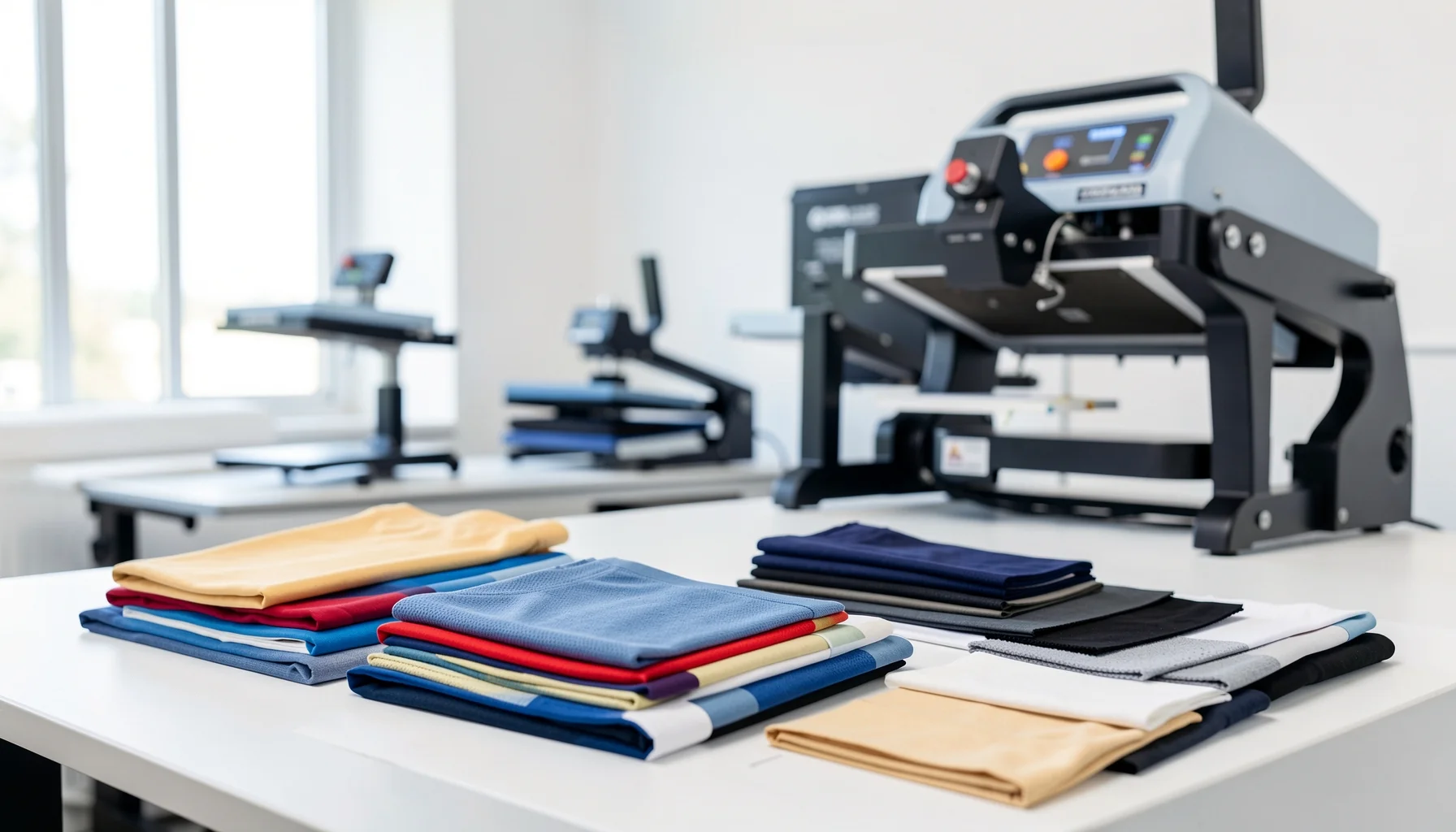
Stitched and printed jerseys differ most clearly in application method, surface texture, and typical feel. The table below compares the known characteristics and outlines the design-to-delivery workflow teams can use to keep decisions and details organized.
 Stitched vs Printed Jerseys for Sports Teams: Which Finish? - Comparing the Finishes and the Order Workflow
Technical comparison at a glance
| Consideration | Stitched tackle twill | High-quality printing |
|---|---|---|
| Application method | Individual fabric letters and numbers are sewn onto the jersey | Design is bonded to the fabric using heat-transfer or direct-to-garment methods |
| Surface | Raised, tactile fabric elements | Smooth surface finish |
| Typical feel | More substantial and textured | Typically lighter and more flexible |
| Visual character | Layered, sewn-on appearance | Integrated, flatter appearance |
| Best comparison question | Does the team want a tactile, traditional-style finish? | Does the team prefer a smoother, lighter-feeling finish? |
| Details to verify | Spelling, number, position, and selected colors in the proof | Spelling, number, layout, and selected colors in the proof |
| Appropriate users | Teams, clubs, individuals, and fan groups seeking a sewn fabric finish | Teams, clubs, individuals, and fan groups seeking a smooth printed finish |
These are general finish characteristics, not claims that every garment or player will experience the same result. The facts provided do not specify fabric weights, stitch counts, print durability ratings, or wash-test results, so those measurements should not be assumed when comparing options.
How to interpret the differences for actual play
A heavier, tactile finish may be appealing to players who like a more substantial uniform appearance. A lighter, smoother finish may better match the preference of players who want less surface texture. Neither description establishes a universal performance advantage; the right assessment depends on the team’s preferences and the intended use.
When choosing, ask players or team organizers to consider the jersey as a whole. A finish that looks appealing in a design preview may feel different from what a wearer prefers. Where possible, clarify the finish and its typical feel before the order is finalized, then use the proof to verify the visual layout.
Teams should also separate confirmed product details from assumptions. For example, the known comparison supports describing printing as typically lighter and more flexible than tackle twill. It does not establish a precise weight difference or promise a specific lifespan. Clear, evidence-based expectations make the selection more reliable.
How the workflow supports accuracy
A custom jersey order follows a sequence: choose the base style and colors, select a finish, submit the design details, review the digital proof, and approve it before production. The proof is a key quality-control step because it lets the customer check spelling, numbering, layout, and color selection before the physical jersey is made.
After approval, the order enters the manufacturing queue. Legendkits states that production takes 1 to 3 business days, with total turnaround from order placement to delivery ranging from 6 to 11 business days. Standard shipping is free for orders within the United States.
Turnaround times are useful planning information, not a substitute for checking the proof promptly. An approval delay can affect when an order is ready to proceed. Teams working toward a game or event should allow time for design review and order coordination rather than planning around production time alone.
A Step-by-Step Guide to Choosing and Ordering
A dependable jersey order begins with clear requirements, not with a finish chosen in isolation. Teams can reduce preventable mistakes by documenting the roster and design, selecting the application method, and treating proof approval as a formal checkpoint.
Step 1: Define the uniform requirements
Start by recording what the team needs: the number of jerseys, sizes, names, numbers, team colors, and intended use. Confirm who has authority to approve the design and who will consolidate player information. A single source of truth for names and numbers helps prevent conflicting edits.
Next, identify the team’s visual priorities. Does the group want a raised, sewn-on look, or a smoother, lighter-feeling design? If players have differing preferences, explain the two finishes in straightforward terms before collecting final approval. This is especially useful for youth teams, where parents, coaches, and players may each influence the order.
Avoid making unverified assumptions about technical details. If a question concerns a specific garment measurement or performance claim that is not described in the available product information, seek clarification rather than inferring an answer from the finish name.
Step 2: Select the base design and finish
Use the design interface to choose the base jersey style, team colors, and finishing option. Then enter names, numbers, and any other requested details according to the team’s agreed specification. The finish should be selected as part of the overall design, not as an afterthought once the layout is complete.
A useful decision rule is to focus on the intended look and feel:
- Choose stitched tackle twill if the team prefers individual fabric elements sewn onto the jersey and a raised, tactile appearance.
- Choose high-quality printing if the team prefers a smoother surface and a finish that is typically lighter and more flexible.
- Compare the selected option against the team’s sport, wear preferences, and visual goals before submitting.
This is a practical selection framework, not a claim that one finish suits a particular sport in every circumstance.
Step 3: Check the digital proof before approval
Every Legendkits order includes a free digital design proof before production. Review it carefully and compare it with the team’s original information. Check each name and number character by character, then verify colors, placement, and the selected finish.
For a roster order, assign one reviewer to check the master list and another to examine the proof. This simple division of responsibility can catch transposed digits, spelling variations, and inconsistent formatting. Keep corrections consolidated so that the design team receives one clear, approved set of changes instead of conflicting instructions.
Approval should mean that the team has checked the design, not merely that someone has opened the proof. Once approved, the item enters production. Resolving errors before that point is more straightforward than discovering them after the jersey has been manufactured.
Step 4: Plan around production and delivery
Once the proof is approved, manufacturing begins. The stated production window is 1 to 3 business days, and total delivery time from order placement is typically 6 to 11 business days. Teams should account for the full turnaround window when planning for a season, tournament, fan event, or replacement uniform.
For an event with a fixed date, organize the roster and design decisions early. Submit accurate details, monitor the proof, and approve it promptly. Standard shipping is free within the United States, but shipping time remains part of the total delivery timeline; it should not be confused with the production window.
Legendkits permits single-unit orders, which can help a club replace one jersey or allow an individual to order without requiring a full team purchase. That flexibility can support ongoing needs, provided the replacement details are checked against the team’s established design.
Practical Tips, Common Pitfalls, and Use Cases
The most reliable way to avoid custom uniform problems is to make the design specification explicit and review the proof systematically. The finish decision matters, but accurate names, numbers, colors, and timely approval are equally important to a successful order.
Pitfalls to prevent before production
The first common pitfall is relying on memory for roster details. Collect names and numbers in a written list, confirm spelling with each wearer, and have a second person check the final entries. Names that look correct at a glance can still contain a missing letter or a number can be assigned to the wrong player.
A second pitfall is assuming that a digital proof is only a visual preview. It is the primary quality-control checkpoint described for the ordering process. Review the layout, colors, numbering, and finish before approval. If something is wrong or unclear, request a correction rather than approving with the intention of fixing it later.
A third pitfall is confusing production time with total delivery time. Manufacturing is stated as 1 to 3 business days; the complete order-to-delivery estimate is 6 to 11 business days. Use the longer, end-to-end estimate for planning, and leave room to review the proof before production begins.
Practical examples for different groups
A youth team may need uniforms for a roster that changes during the season. It can choose a finish based on player preference and use single-unit ordering to address an individual replacement, rather than treating every need as a bulk order. The team should still verify that the replacement’s colors, name, number, and style match its approved design.
An amateur club may value a consistent appearance across a group of jerseys. Its organizers can document the design once, choose the finish that matches the club’s visual preference, and assign a reviewer to compare every proof detail against the roster. That process helps keep team decisions coherent even when several people contribute information.
A fan group ordering for an event may prioritize the desired look and a reliable delivery plan. It should choose a finish based on the surface and appearance it wants, confirm personalization carefully, and allow the stated 6-to-11-business-day total turnaround. These examples illustrate use cases, not guarantees of a specific fit or outcome.
Durability, care, and evidence-based expectations
Legendkits emphasizes professional-grade materials for both stitching and printing, with durability during athletic activity as a quality goal. That general commitment does not provide a specific product lifespan, wash-cycle rating, or maintenance instruction for each finish. Avoid making unsupported claims such as an exact number of seasons a jersey will last.
For care guidance, follow the instructions supplied with the garment. If those instructions are not available, ask the provider rather than assuming that stitched and printed finishes should be washed or dried identically. Construction methods differ, so precise care recommendations should be grounded in the garment’s own guidance.
Teams can also maintain an internal record of the approved proof and final roster. That record helps with future replacements and reduces the chance of small differences in spelling, numbering, or color choice. It is particularly useful for clubs that replenish uniforms as needed rather than ordering a large seasonal inventory.
Team Operations, 2026 Planning, and FAQ
For teams and small organizations, the most useful 2026 planning approach is to match the finish to user preference, keep design information controlled, and order with enough time for proof review and delivery. Legendkits’ model supports individual and small-batch needs without a minimum order, while the proof provides a pre-production check.
Planning for clubs and growing rosters
Clubs often need to balance a consistent team identity with changing roster needs. A documented design standard—base style, colors, finish, and naming conventions—can make future additions easier to coordinate. When a player joins or needs a replacement, organizers can refer to the approved specification instead of reconstructing the design from memory.
The no-minimum order option is relevant to this kind of planning because it allows a single jersey to be ordered. It does not eliminate the need to verify that the replacement matches the club’s intended design. Check the current roster information and proof each time, especially if names, numbers, or colors have changed since the original order.
For a small organization, a simple approval process is often more useful than complex procurement rules. Assign one person to collect details, one reviewer to verify the proof, and one person to approve the final design. Clear ownership makes corrections easier to communicate.
A grounded 2026 outlook
In 2026, teams should base finish decisions on verifiable characteristics rather than broad claims about what is most popular or universally durable. The grounded comparison is clear: tackle twill is sewn fabric with a raised, tactile finish; high-quality printing is bonded to fabric and is typically smoother, lighter, and more flexible.
No verified industry-wide percentage benchmarks are available here for finish preference, durability, or adoption. Quoting a market share or claiming that a certain percentage of teams choose one option would therefore be misleading. A better planning benchmark is operational: confirm the roster, review the proof, and allow for the stated 6-to-11-business-day total turnaround.
From the Legendkits perspective, small-batch flexibility and proof-based review help teams handle uniforms without a high-volume requirement. That is particularly relevant to youth teams, amateur clubs, and fan groups whose needs may range from one individual jersey to a coordinated group order.
Frequently asked questions
Which finish is lighter: stitched or printed?
High-quality printing is typically lighter and more flexible than stitched tackle twill. Printing also has a smoother surface, while tackle twill adds sewn fabric letters or numbers and a more tactile, raised appearance. These are general characteristics rather than precise weight measurements. If a specific garment measurement matters to your team, confirm it for the selected jersey instead of assuming an exact difference from the finish description.
Is stitched tackle twill better than printing for every team?
No. The two methods create different appearances and wearing experiences, so neither is automatically the best choice for every team. Tackle twill suits groups that want a sewn-on, textured look; printing may suit those who prefer a smoother and typically lighter finish. Consider the team’s visual preference and intended use, then confirm that the selected option is shown correctly in the digital proof before approving production.
Can a team order only one custom jersey?
Yes. Legendkits allows single-unit orders, so an individual player or a club needing one replacement does not have to meet a minimum quantity. The order still follows the same essential customization process: select the style, colors, and finish; provide the design details; and review the digital proof before production. Check the replacement’s name, number, and design against the team’s current specifications.
How long does a custom jersey order take?
Legendkits states that production takes 1 to 3 business days after the proof is approved, while total turnaround from order placement to delivery ranges from 6 to 11 business days. The total estimate includes more than manufacturing, so it is the more useful figure for scheduling around a game or event. Review the proof promptly and leave enough time for design checks before production begins.