

Yes—custom printed jerseys can be worth it for recreational leagues when a team values a coordinated look, individual names and numbers, and the ability to order without buying in bulk. The decision depends on more than price: consider how often the jerseys will be worn, what finish suits the team, and whether the ordering process reduces the risk of costly mistakes.
What custom printed jerseys are—and how the process works
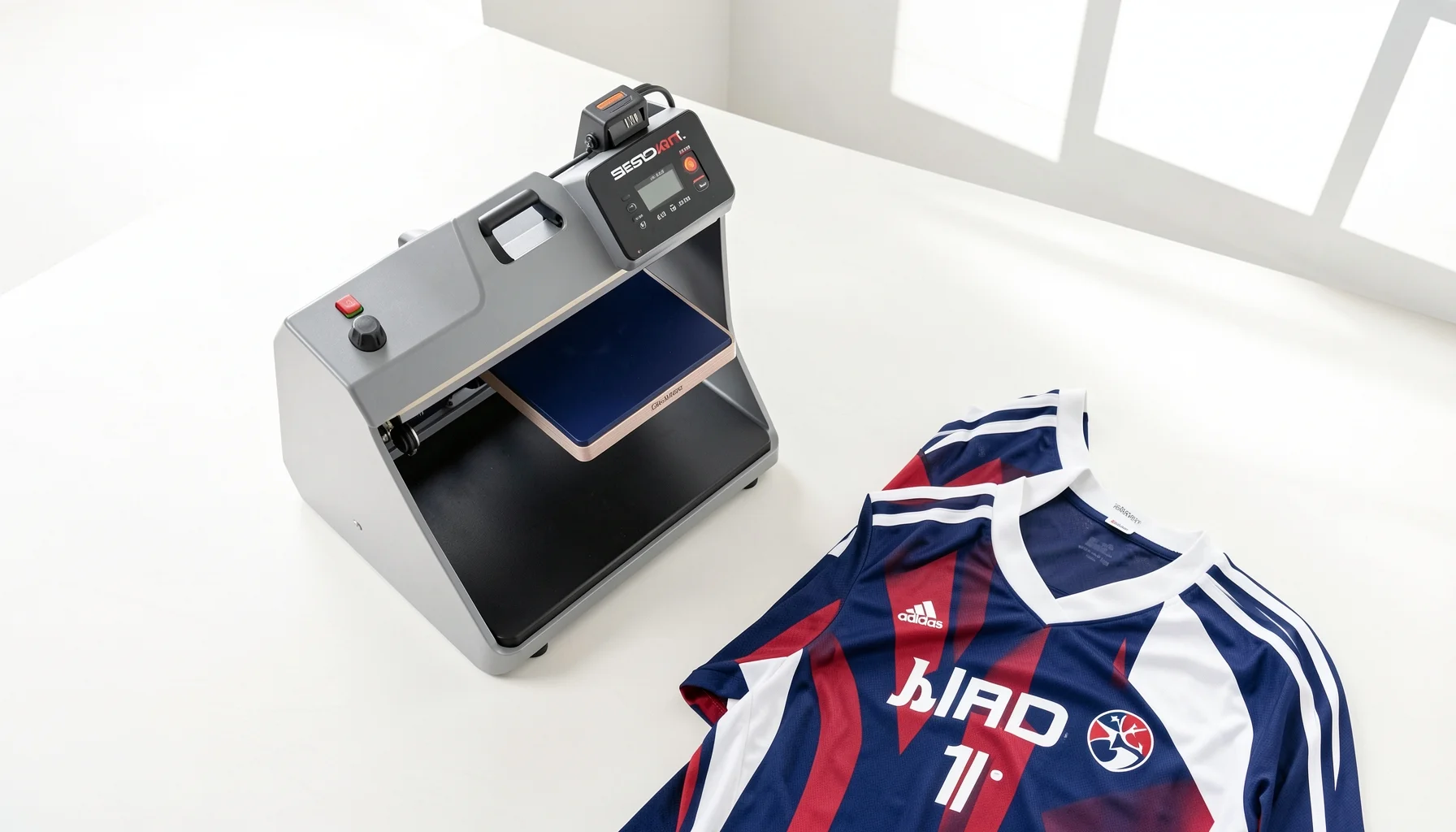
Custom printed jerseys are team garments personalized with details such as player names, numbers, and team colors. For recreational teams, their practical value lies in combining a shared team identity with flexible ordering: Legendkits supports single jerseys and small-batch orders, rather than requiring a large team-wide purchase.
 are custom printed jerseys worth it for recreational leagues - What custom printed jerseys are—and how the process works
What are you actually getting?
A custom jersey is more than a blank garment with a number added. Its design can bring together a selected style, color palette, player personalization, and a chosen finish. These elements help a group look coordinated even when its members play only occasionally or do not have the roster size or budget for a traditional bulk uniform order.
Legendkits offers two application options: premium stitched tackle twill, which creates a textured, professional-looking finish, and high-quality printing, which is positioned as a durable, cost-efficient alternative. The best choice depends on the team's preferences and use—not simply on which option appears more “serious.”
Custom jerseys can make sense for youth teams, amateur leagues, weekend tournaments, families, and fan groups. A player joining late, for instance, may need only one personalized jersey rather than a complete team reorder.
How does an order move from design to delivery?
The process has a key quality-control checkpoint: a free digital design proof is provided for approval before production begins. That proof gives the customer a chance to inspect the proposed design and personalization before manufacturing starts.
This matters because team orders involve several details that are easy to mix up: spelling, numbers, color choices, and the arrangement of design elements. A proof cannot guarantee that every decision will be perfect, but it creates an opportunity to catch errors before they become finished garments.
Legendkits states that manufacturing takes 1 to 3 business days, with total delivery expected in 6 to 11 business days from the order date. Standard shipping is free for orders within the United States. Teams should still plan around their actual event date and avoid assuming that production time alone equals delivery time.
What does “worth it” mean for a casual team?
For a recreational league, value is about fit for purpose. A team that plays weekly, travels to tournaments, or wants consistent player identification may get more use from custom jerseys than a group that meets once. Equally, the ability to order a single jersey can matter more than the unit cost of a bulk package that includes garments nobody needs.
Consider three questions before deciding:
- Will the group wear the jerseys repeatedly?
- Does personalization solve a real need, such as identifying players or creating a shared team look?
- Can the team agree on a design and verify all details before production?
The honest answer is conditional: custom jerseys are worthwhile when their use and coordination benefits justify the team’s total spend. They are less compelling when the group has little need for personalization or is unlikely to wear them again.
Specifications that matter when comparing options
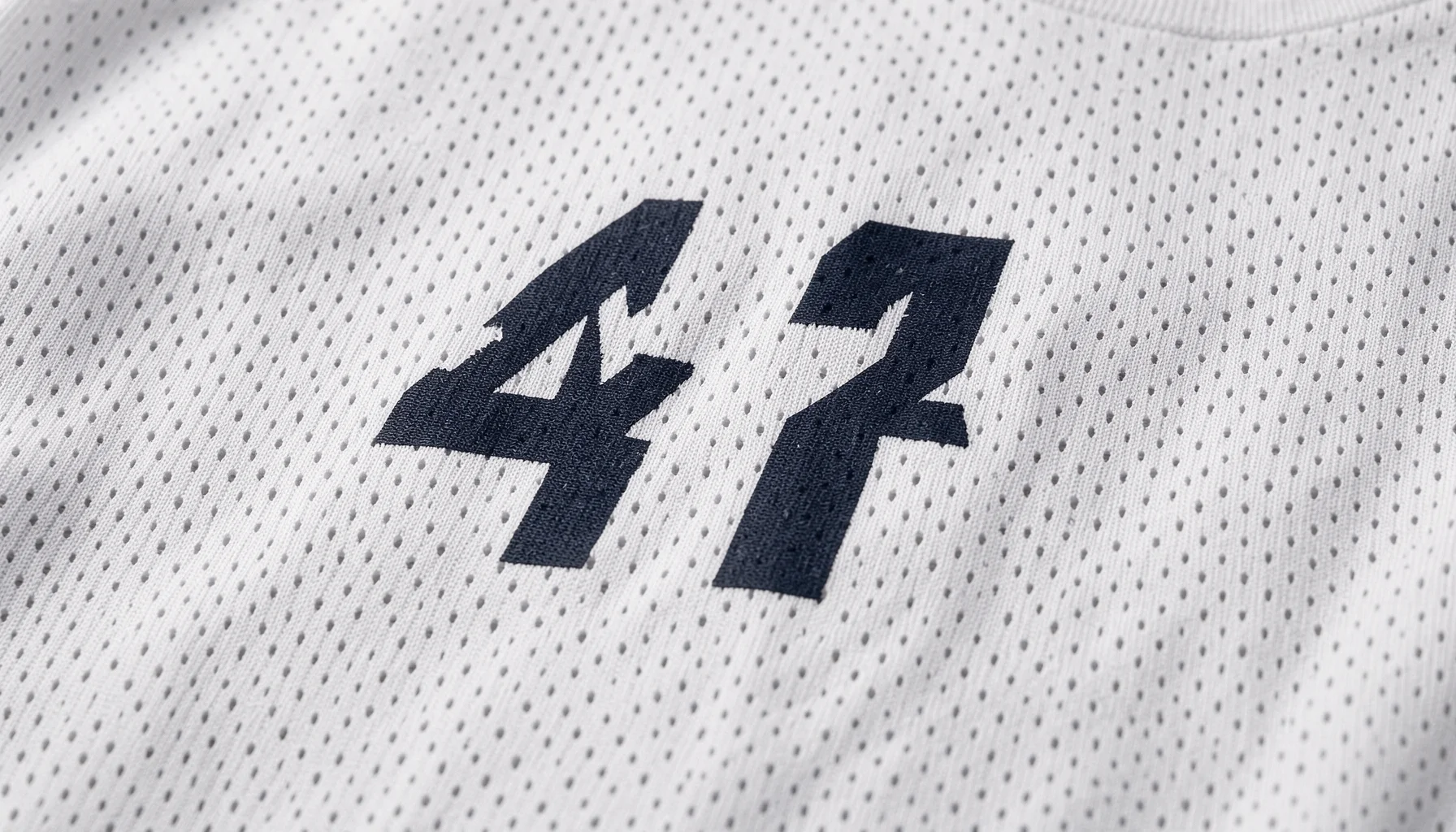
The most useful comparison is not a price table; it is a check of the features and workflow that determine whether an order fits the team. Confirm the personalization, finish, approval process, order flexibility, and timing before committing.
 are custom printed jerseys worth it for recreational leagues - Specifications that matter when comparing options
Compare the options by team need
| Specification or workflow detail | What is established | Why it matters to a recreational team |
|---|---|---|
| Personalization | Custom names and numbers are available | Lets teams identify players and tailor jerseys to individuals |
| Team design | Customers can select styles, colors, and finishes | Helps align the garment with team colors and preferences |
| Stitched finish | Premium stitched tackle twill | Suits teams seeking a textured, professional-looking application |
| Printed finish | High-quality printing | Offers a durable, cost-efficient application option |
| Design approval | Free digital proof before production | Provides a review point for names, numbers, and design details |
| Minimum order | No minimum order quantity | Supports single-player replacements and small groups |
| Manufacturing | 1 to 3 business days | Helps teams plan the production stage |
| Total delivery | 6 to 11 business days from order | Gives a broader planning window than production time alone |
| U.S. shipping | Standard shipping is free within the United States | Clarifies the stated shipping arrangement for U.S. orders |
Printed or stitched: which finish fits?
A printed finish may be a practical choice when cost efficiency and a clean, durable application are priorities. Stitched tackle twill is designed for a more textured, professional appearance. Neither option is universally better: the decision should reflect the team's intended look, expected use, and preferences.
Teams comparing these methods can review Legendkits’ guide to stitched versus printed jerseys for sports. Use the comparison to clarify what the group values rather than treating one finish as an automatic upgrade.
It is also useful to separate the finish from the garment's overall suitability. A stitched application does not, by itself, establish that a jersey is right for a particular sport or schedule. Confirm the style and design choices as part of the order rather than assuming the finish answers every practical question.
What specifications are not established?
The available facts do not provide fabric composition, sizing measurements, care instructions, colorfastness test results, or a performance rating for either finish. Those details should not be guessed from the word “custom” or inferred from the production timeline.
Before ordering, review the product information available for the specific jersey style and ask the provider about any missing detail that affects fit or use. For example, a youth team should verify sizing information with particular care, while a group expecting frequent laundering should seek clear care guidance.
This distinction is central to an honest quality comparison: known customization and fulfillment features are not the same as independently verified garment-performance specifications. Make the decision using confirmed information, and avoid relying on assumptions about durability, fabric, or fit.
A practical ordering workflow for teams and weekend players
A well-managed order starts with a clear roster and finishes with a careful proof review. Treat the design approval as a required checkpoint, not a formality, and build the delivery window into the team's schedule.
Follow these steps before production
Step 1: Define the order scope. Decide how many jerseys are needed now, including whether the order is for a full team, a small group, or one replacement. No minimum order quantity makes it possible to order smaller quantities, but the team still needs an accurate count.
Step 2: Choose the design direction. Agree on the jersey style, colors, and finish before individual details are collected. A single person should maintain the current version of the choices so that teammates do not submit conflicting revisions.
Step 3: Confirm personalization. Create a roster with each player's name and number. Ask the team to verify spelling, capitalization, and number assignments against one shared list.
Step 4: Review the digital proof. Check names, numbers, color selections, and the overall arrangement. Have a second person compare the proof with the approved roster. Submit approval only when the group has resolved discrepancies.
Step 5: Plan around delivery. Allow for the stated 1-to-3-business-day manufacturing period and the 6-to-11-business-day total delivery window. Because these are different time measures, do not schedule an event based only on the manufacturing estimate.
Make proof approval an actual quality-control step
Proof review is most effective when it follows a checklist. A coach, team organizer, or player representative can compare the proof against a single source of truth rather than relying on memory or multiple chat threads.
Check:
- Every name against the final roster.
- Every number against the team's assignments.
- Color choices and design elements against the agreed direction.
- Whether all ordered jerseys are represented in the proof.
If the team changes a name or number during review, update the master roster too. Otherwise, the approval process can create a new mismatch between what the group intended and what it signed off on.
Legendkits provides a free digital design proof before production begins. That is a valuable safeguard, but it works only if the customer examines it carefully. Proofing reduces avoidable personalization errors; it does not replace the team's responsibility to supply correct information.
Plan quantities for real participation
Recreational rosters change. Someone may join a team late, miss a season, or need a replacement. When deciding the initial quantity, distinguish between confirmed players and possible participants instead of ordering extras automatically.
No minimum order quantity offers flexibility for a single jersey or a small-batch order. That can be useful when a new player joins or when a family member wants a personalized item. It also helps teams avoid treating bulk purchasing as the only route to a consistent appearance.
For local league organizers building a broader uniform plan, Legendkits’ guide to custom soccer kits for local leagues provides additional context. The same planning principle applies across recreational sports: match the order to the confirmed use case, then review replacement needs separately.
Common pitfalls, practical tips, and real-world scenarios
The most preventable problems are usually administrative: rushing the proof, collecting inconsistent roster details, or confusing production time with total delivery time. A little coordination before ordering can make the process more reliable.
Pitfalls to prevent
Approving a proof without checking every player. A design can look right at a glance while containing one misspelled name or incorrect number. Use a roster-to-proof comparison rather than visual inspection alone.
Leaving design decisions until the last minute. Disagreement over colors or finishes can slow approval. Settle the shared design direction first, then collect individual personalization.
Treating the production estimate as the arrival date. Manufacturing is stated as 1 to 3 business days, while total delivery is 6 to 11 business days from order. Schedule around the broader delivery estimate, especially when jerseys are needed for a tournament.
Assuming technical details that are not stated. Do not infer garment fabric, fit, care requirements, or performance from the availability of printing or stitched tackle twill. Check the relevant product information when those details matter.
Three use cases: replacement, small team, and fan group
A late-joining player: A recreational team has already ordered uniforms when a new player joins. A no-minimum service can accommodate a single custom jersey, avoiding the need to buy a full batch just to equip one person. The organizer should still confirm that the design and personalization match the approved team details.
A small weekend roster: A group entering a local tournament wants a coordinated look but does not need a large stock of spare uniforms. It can order for the confirmed participants, agree on the finish together, and use the proof to check every name and number.
A family or fan group: Supporters want personalized apparel for an event. Since their needs may not match a full team order, the option to order smaller quantities can make coordinated apparel more accessible. They should decide whether individual names or numbers add enough value for their intended use.
These are examples of how the stated ordering features can fit different needs—not guarantees of a particular product outcome or team experience.
Tips for judging quality against cost
For casual players weighing cost against quality, define “quality” in terms of what can be confirmed. The available choices include two finishes, personalization, design selection, and proof approval. Ask whether those features are worth the team’s total outlay given how often the garments will be used.
A useful decision test is to compare the custom option with the team's actual alternative: wearing unrelated shirts, buying a standard uniform that cannot identify players, or purchasing a larger quantity than needed. Avoid comparing against a hypothetical bulk deal unless that option is genuinely available to the group.
Finally, keep expectations proportionate. A professional-looking finish and a proofing workflow can improve presentation and help prevent design errors. They do not establish unprovided technical claims about fabric or long-term wear.
Planning for clubs and the 2026 recreational sports outlook
For clubs, schools, and league organizers, the main operational question is how to make customization repeatable without overordering. In 2026, a useful planning approach is to prioritize accurate roster data, clear design ownership, and timelines that account for delivery—not to rely on unsupported market-wide percentages or blanket durability claims.
Build a repeatable team process
A club can make small-batch uniform ordering easier by assigning clear responsibilities. One organizer can maintain the design decisions, another can verify the roster, and a designated approver can check the proof before production. This reduces confusion when player details arrive from several sources.
For recurring seasons, retain the final approved design and roster format as an internal reference. When a new participant needs a jersey, the group can check the current information rather than reconstructing the design from memory. Any new order should still be reviewed against its own proof.
This approach suits organizations with changing participation: youth teams, amateur clubs, and community leagues may have different player counts from season to season. No minimum order quantity can support smaller orders, while the approval workflow provides a point to verify details before manufacturing.
Use timeline and flexibility as planning inputs
The stated delivery window of 6 to 11 business days can help teams plan, but it should not be treated as a universal guarantee for every possible circumstance. Organizers should place orders with enough time to review the proof and account for the full stated window before a first game or tournament.
Flexibility also has practical value. A single-unit or small-batch order can address a late roster addition without requiring the team to commit to a large purchase. For fan groups or families, it can make personalization possible even when there is no formal team roster.
Legendkits’ perspective is that small organizations benefit when uniform fulfillment accommodates their actual headcount. That is a practical observation about the service model, not a claim that every recreational team will save money or prefer custom apparel.
Make a grounded decision in 2026
There is no responsible universal percentage for how much recreational teams benefit from custom jerseys; the value depends on use, order size, and what the group needs. Instead of relying on a broad benchmark, evaluate the decision against a few concrete factors:
- Frequency of use: More planned wear gives the team more opportunities to benefit from a shared look.
- Personalization needs: Names and numbers may be useful for identification and team presentation.
- Order flexibility: Single-unit and small-batch ordering can suit changing or limited rosters.
- Process confidence: A free digital proof creates a review step before production.
- Schedule fit: The stated delivery window needs to work for the team's calendar.
For a weekend team that values coordination and can approve details carefully, custom printed jerseys may be a sensible investment. For a one-off game with little interest in personalization, standard apparel may be enough. The best decision is the one that matches the team's real use rather than an assumption that customized always means better.
FAQ
Are custom printed jerseys worth it for a small recreational team?
They can be, particularly when the team wants matching colors and personalized names or numbers but does not need a bulk order. Legendkits has no minimum order quantity, so teams can order a single jersey or a small batch. Whether that is worthwhile depends on planned use, the group’s budget, and the value it places on a coordinated appearance. Agree on those priorities before choosing a design.
Is printed or stitched tackle twill better for recreational jerseys?
Neither finish is automatically better for every team. Legendkits offers high-quality printing as a durable, cost-efficient option and premium stitched tackle twill for a textured, professional-looking finish. Choose based on the appearance and application the team prefers, rather than assuming one is universally more durable. If fabric, care, or performance specifications matter to your decision, verify those details for the specific garment instead of inferring them from the finish.
How long does it take to receive custom jerseys?
Legendkits states that manufacturing takes 1 to 3 business days and that total delivery takes 6 to 11 business days from the order date. These figures describe different parts of the timeline, so the production estimate should not be mistaken for the arrival date. Plan around the total delivery window and allow time for the team to review and approve the digital proof before production begins.
How can a team avoid mistakes on personalized jerseys?
Prepare one final roster that lists each player’s name and number, then compare it with the digital design proof before approval. Check spelling, number assignments, colors, and the overall design. A second person can review the proof against the roster to catch errors that one organizer may overlook. If anything changes, update the master roster before approving so the submitted information stays consistent.